

Introduction
Fashion is an essential part of human life, influencing not only how we look but also how we feel and interact with the world. From ancient civilizations wrapping themselves in simple fabrics to today’s dynamic global fashion industry, clothing has always been a powerful tool of expression. Understanding the fundamentals of cloths or clothes can help you make better decisions, save money, and build a wardrobe that truly reflects your personality.
In everyday conversations, people often confuse the terms “cloth” and “clothes.” While they may sound similar, they have different meanings and uses. Knowing the difference is the first step toward becoming more aware of what you wear and why it matters. This comprehensive guide will walk you through fabrics, styles, trends, maintenance, and smart shopping habits in a simple and engaging way.
Understanding the Difference Between Cloth and Clothes
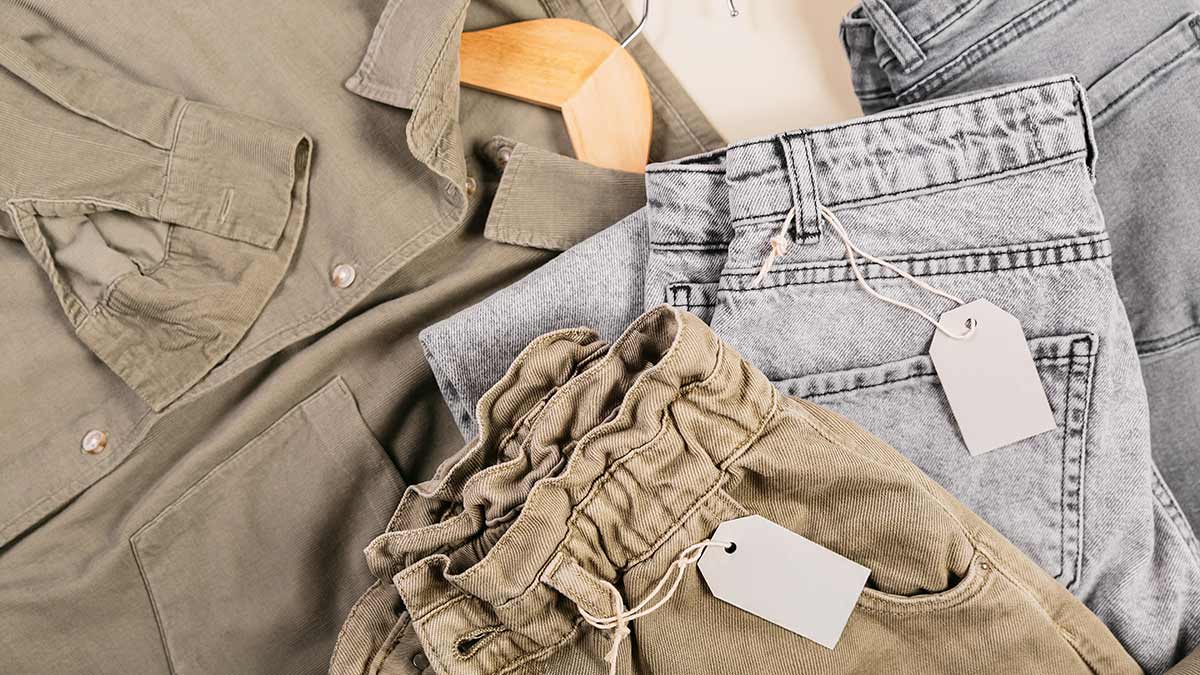
The confusion between cloth and clothes is common, but the distinction is quite simple once you understand it.
Cloth refers to a piece of fabric or material. It is the raw or unfinished product used to make garments, curtains, upholstery, and more. For example, cotton cloth or silk cloth is used by tailors and manufacturers to create wearable items.
Clothes, on the other hand, are finished garments that people wear. These include shirts, trousers, dresses, jackets, and more. Clothes are designed for specific purposes such as comfort, style, or protection.
When you understand this difference, you become more mindful while shopping for cloths or clothes, especially when choosing between ready-made garments and custom-tailored outfits.
The Evolution of Clothing Through History
Clothing has evolved dramatically over thousands of years, shaped by culture, climate, and technology.
In ancient times, people wore simple garments made from animal skins and plant fibers. These early forms of clothing were primarily designed for protection against harsh weather conditions. As civilizations developed, clothing became more sophisticated and began to represent social status and identity.
During the medieval period, clothing styles became more elaborate, especially among royalty and the upper class. Fabrics like silk and velvet were highly valued and often reserved for the wealthy.
The industrial revolution marked a major turning point in the history of fashion. Mass production made clothes more affordable and accessible to the general population. Today, the fashion industry is a global phenomenon, constantly evolving with new trends, materials, and technologies.
Understanding this evolution helps us appreciate the importance of cloths or clothes in shaping human culture and identity.
Types of Fabrics Used in Everyday Wear
Fabrics are the foundation of all clothing. The type of fabric you choose affects comfort, durability, and overall appearance.
Cotton
Cotton is one of the most popular fabrics in the world. It is soft, breathable, and ideal for hot climates. Cotton garments are comfortable for daily wear and easy to maintain.
Polyester
Polyester is a synthetic fabric known for its durability and wrinkle resistance. It is often blended with natural fibers to enhance strength and longevity. Polyester clothes are commonly used in sportswear and casual wear.
Silk
Silk is a luxurious fabric known for its smooth texture and natural shine. It is often used for formal and festive wear. Although elegant, silk requires delicate care.
Wool
Wool is a natural fiber that provides warmth and insulation. It is perfect for winter clothing such as sweaters and coats. Wool is also moisture-wicking, making it comfortable in cold weather.
Linen
Linen is a lightweight and breathable fabric, ideal for summer wear. It has a slightly rough texture but becomes softer with each wash. Linen clothes offer a relaxed and stylish look.
Understanding these fabrics allows you to make better choices when selecting cloths or clothes for different occasions.
Clothing Categories and Their Importance
Clothing can be categorized based on its purpose, helping you organize your wardrobe effectively.
Casual Wear
Casual wear includes everyday outfits like T-shirts, jeans, and shorts. These clothes prioritize comfort and simplicity, making them perfect for daily activities.
Formal Wear
Formal wear is designed for professional settings and special occasions. This category includes suits, blazers, formal shirts, and elegant dresses.
Sportswear
Sportswear is specifically designed for physical activities. These clothes are flexible, breathable, and moisture-resistant, ensuring maximum comfort during workouts.
Ethnic Wear
Ethnic wear reflects cultural traditions and heritage. In countries like India, garments such as sarees, kurtas, and lehengas are popular examples.
By understanding these categories, you can build a balanced wardrobe with the right mix of cloths or clothes for every situation.
Choosing Clothes Based on Body Type


Selecting the right clothes for your body type can significantly enhance your appearance and confidence.
People with a slim body type can benefit from layering, which adds volume and dimension to their look. Curvy individuals can highlight their natural shape with well-fitted garments that provide support and structure.
Athletic body types often look great in structured clothing that enhances their physique. Petite individuals can create the illusion of height by wearing high-waisted bottoms and vertical patterns.
Understanding your body type helps you choose cloths or clothes that complement your figure rather than work against it.
Seasonal Clothing Guide
Dressing according to the season is essential for comfort and practicality.
Summer
In hot weather, lightweight fabrics like cotton and linen are the best choices. Loose-fitting clothes allow air circulation and keep you cool.
Winter
Winter requires layering to retain body heat. Woolen garments, jackets, and thermal wear are essential for staying warm.
Monsoon
During the rainy season, quick-drying fabrics like polyester are ideal. Avoid heavy materials that retain moisture and take longer to dry.
Choosing the right cloths or clothes for each season ensures comfort and protects your health.
Fabric Comparison Table
| Fabric Type | Comfort Level | Durability | Best Season | Maintenance |
|---|---|---|---|---|
| Cotton | High | Medium | Summer | Easy |
| Polyester | Medium | High | All Seasons | Low |
| Silk | High | Low | Occasions | High |
| Wool | Medium | High | Winter | Medium |
| Linen | High | Medium | Summer | Medium |
This table provides a quick overview to help you choose the best fabric when buying cloths or clothes.
Smart Shopping Strategies for Clothes
Shopping for clothes can be overwhelming, especially with so many options available. However, adopting smart strategies can make the process easier and more efficient.
Always check the fabric composition before making a purchase. Understanding the material helps you determine comfort and durability. Pay attention to stitching quality, as well-made garments last longer.
Avoid impulse buying by focusing on your actual needs. Instead of purchasing trendy items that may go out of style quickly, invest in timeless pieces that can be worn in multiple ways.
Building a wardrobe with versatile cloths or clothes ensures you get the most value for your money.
Sustainable Fashion and Its Growing Importance
Sustainability has become a major focus in the fashion industry.
Fast fashion contributes to environmental pollution and waste. By choosing sustainable options, you can reduce your environmental footprint. Eco-friendly fabrics, ethical production practices, and mindful consumption are key aspects of sustainable fashion.
Buying fewer but higher-quality cloths or clothes is a simple way to support sustainability while maintaining style.
Clothing Care and Maintenance
Proper care is essential for maintaining the quality and longevity of your clothes.
Wash garments according to their fabric type to prevent damage. Avoid using high heat when drying delicate fabrics. Store clothes in a clean, dry place to protect them from moisture and pests.
Using gentle detergents and following care instructions can significantly extend the life of your cloths or clothes.
Building a Capsule Wardrobe
A capsule wardrobe is a collection of essential, versatile items that can be mixed and matched easily.
This approach simplifies daily outfit selection and reduces clutter. It also encourages mindful shopping, helping you avoid unnecessary purchases.
Key items in a capsule wardrobe include basic T-shirts, neutral trousers, a classic jacket, and comfortable footwear. These pieces form the foundation of a functional and stylish wardrobe.
Fashion Trends vs Personal Style
Fashion trends change frequently, but personal style remains constant.
While trends can provide inspiration, they should not dictate your entire wardrobe. Your personal style reflects your preferences, lifestyle, and personality.
Combining trendy elements with classic pieces allows you to create a balanced and unique look. Choosing cloths or clothes that align with your identity ensures long-term satisfaction.
Common Mistakes to Avoid When Buying Clothes

Many people make avoidable mistakes when shopping for clothes.
Buying the wrong size can lead to discomfort and poor appearance. Ignoring fabric quality often results in garments that wear out quickly. Following trends blindly can lead to a cluttered wardrobe filled with items you rarely use.
Focusing on comfort, quality, and practicality helps you make better decisions when purchasing cloths or clothes.
Quick Style Tips
✔ Choose breathable fabrics for daily wear
✔ Invest in quality over quantity
✔ Maintain clothes properly for longer use
✔ Focus on fit rather than brand names
The Psychological Impact of Clothing
Clothing has a powerful impact on how we feel and behave.
Wearing well-fitted and comfortable clothes can boost confidence and improve mood. On the other hand, uncomfortable or poorly chosen outfits can affect self-esteem.
Clothes also influence how others perceive us, making them an important tool for communication and self-expression.Technology and the Future of Fashion
Technology is transforming the fashion industry in exciting ways.
Smart fabrics with temperature control and moisture management are becoming more popular. Online shopping platforms now offer virtual fitting rooms, allowing customers to try clothes digitally.
Sustainable innovations, such as recycled fabrics and biodegradable materials, are shaping the future of cloths or clothes.
FAQs About Cloths or Clothes
What is the difference between cloth and clothes?
Cloth refers to fabric material, while clothes are finished garments worn by people.
How do I choose the right clothes for my body type?
Focus on fit, proportions, and styles that enhance your natural shape.
Are natural fabrics better than synthetic ones?
Natural fabrics are more breathable, while synthetic fabrics offer durability and flexibility.
How can I maintain my clothes properly?
Follow washing instructions, avoid excessive heat, and store them carefully.
Why is sustainable fashion important?
It reduces environmental impact and promotes ethical production practices.
Conclusion
Building a stylish and functional wardrobe does not require expensive purchases or constant updates. It begins with understanding the basics of fabrics, styles, and proper maintenance.
By making informed decisions, you can create a collection of clothes that suits your lifestyle, enhances your confidence, and lasts for years. Focus on quality, comfort, and versatility rather than chasing every new trend.
Take small steps today—evaluate your wardrobe, invest in essential pieces, and adopt sustainable practices. Over time, these habits will transform not just your style but also the way you think about fashion and everyday living.