


Introduction
The 1990s were more than just a decade—they were a cultural turning point that reshaped how people expressed themselves through clothing. The era gave rise to bold individuality, where fashion was no longer dictated by rigid rules but by personal identity, music, and social influence. From laid-back streetwear to sleek minimalist silhouettes, 90s fashion embraced contrast in a way that few other decades ever have.
What made this period truly remarkable was its ability to cater to everyone. Whether you preferred the rebellious vibe of grunge or the polished simplicity of neutral tones, there was a style that resonated with your personality. Even today, fashion designers and influencers continue to revisit and reinterpret trends from this iconic decade.
In this in-depth guide, we’ll explore the defining elements, cultural impact, key styles, and modern revival of the 90s fashion movement in a way that is easy to understand and apply to your own wardrobe.
The Cultural Shift Behind 90s Fashion

To truly understand 90s fashion, it’s important to look at the cultural environment that shaped it. The 1990s were marked by rapid changes in technology, music, and global connectivity. These factors played a major role in influencing how people dressed.
During this time, fashion became more accessible. With the rise of television, music videos, and magazines, trends spread faster than ever before. People no longer relied solely on designers; instead, they looked to celebrities, musicians, and even everyday individuals for inspiration.
Another defining aspect of the decade was the rejection of excess. After the bold and extravagant styles of the 1980s, many people embraced simplicity. This led to the rise of minimalism, where clean lines and neutral tones replaced flashy designs. At the same time, subcultures like grunge and hip-hop introduced entirely new aesthetics that challenged traditional norms.
This mix of influences created a diverse fashion landscape, making 90s fashion one of the most versatile and inclusive eras in history.
The Rise of Grunge and Street Influence
One of the most recognizable aspects of 90s fashion is the grunge movement. Emerging from the alternative music scene, grunge was more than just a style—it was a statement of rebellion against mainstream fashion.
Grunge fashion focused on comfort and authenticity. Oversized flannel shirts, distressed jeans, and worn-out boots became staples. The look was intentionally unpolished, reflecting a carefree attitude that resonated with young people at the time.
At the same time, streetwear began to gain traction, heavily influenced by hip-hop culture. Baggy pants, oversized t-shirts, and sneakers became everyday essentials. This style emphasized confidence and self-expression, often incorporating bold logos and vibrant colors.
What made this combination unique was its accessibility. You didn’t need expensive designer pieces to participate in these trends. Instead, thrift stores and casual wear became the foundation of personal style, further cementing the influence of 90s fashion in everyday life.
Minimalism: The Quiet Power of Simplicity
While grunge dominated one side of the spectrum, minimalism quietly defined another major part of the decade. This approach to 90s fashion focused on clean, simple designs that emphasized quality over quantity.
Minimalist fashion embraced neutral colors like black, white, beige, and gray. Clothing pieces were often sleek and understated, with little to no embellishment. Slip dresses, tailored blazers, and straight-cut trousers became wardrobe essentials.
The appeal of minimalism lay in its timelessness. Unlike trend-driven styles, minimalist pieces could be worn repeatedly without losing their charm. This made them practical as well as stylish.
Another key aspect of this trend was its versatility. A simple outfit could be dressed up or down depending on the occasion, making it suitable for both casual and formal settings. This balance between elegance and simplicity is one of the reasons why 90s fashion continues to influence modern wardrobes.
Denim: The Backbone of the Decade
No discussion of 90s fashion would be complete without highlighting the importance of denim. This fabric became a universal staple, worn by people of all ages and backgrounds.
Denim in the 90s was all about comfort and individuality. High-waisted jeans, often referred to as “mom jeans,” were widely popular for their relaxed fit. Denim jackets, skirts, and overalls also made frequent appearances in everyday outfits.
One of the most iconic trends of the decade was double denim, where people paired denim tops with denim bottoms. While this look was sometimes considered bold, it perfectly captured the experimental spirit of the era.
The enduring popularity of denim is a testament to its versatility. Even today, modern interpretations of 90s fashion continue to feature denim as a key element, proving that some trends truly never go out of style.
A Comparison of Then and Now
To better understand how trends have evolved, let’s look at a comparison between 90s styles and their modern counterparts:
| 90s Style Element | Description (90s) | Modern Interpretation |
|---|---|---|
| Baggy Jeans | Loose, relaxed fit | Structured wide-leg jeans |
| Slip Dresses | Minimal, silky fabric | Layered or textured versions |
| Flannel Shirts | Oversized and casual | Styled with fitted pieces |
| Chunky Sneakers | Bold and heavy footwear | Sleeker chunky designs |
| Crop Tops | Short and fitted | Paired with high-waisted bottoms |
This table highlights how 90s fashion has been adapted to fit modern preferences while retaining its original essence.
Accessories That Defined the Era

Accessories played a crucial role in shaping 90s fashion, often serving as the finishing touch that completed an outfit. Unlike today’s emphasis on subtlety, accessories in the 90s were bold and expressive.
Chokers were among the most iconic pieces, often worn with both casual and formal outfits. Bucket hats added a playful element, while scrunchies became a staple for hair styling.
Small backpacks and shoulder bags were also popular, offering both functionality and style. Sunglasses with tinted lenses added a touch of personality, often reflecting the wearer’s mood or aesthetic.
These accessories were not just decorative—they were a form of self-expression. They allowed individuals to customize their look and stand out in a crowd, further enhancing the appeal of 90s fashion.
The Influence of Pop Culture and Media
Pop culture played a massive role in shaping 90s fashion, making it one of the most influential decades in style history. Television shows, movies, and music videos became major sources of inspiration for audiences around the world.
Celebrities were at the forefront of this movement, often setting trends that were quickly adopted by fans. Whether it was a character from a popular sitcom or a musician performing on stage, these figures had a significant impact on what people wore.
Music, in particular, was a driving force. Different genres brought their own unique styles, from the laid-back vibe of grunge to the bold aesthetics of hip-hop and pop. This diversity allowed people to experiment with their look and find a style that resonated with them.
The widespread influence of media ensured that 90s fashion reached a global audience, making it one of the most recognizable and celebrated eras in fashion history.
Why 90s Fashion Is Making a Comeback
In recent years, 90s fashion has experienced a strong revival, becoming a major trend once again. This resurgence can be attributed to several factors, including nostalgia and the desire for comfort.
Many people who grew up in the 90s are now revisiting the styles of their youth, while younger generations are discovering them for the first time. Social media has also played a significant role in bringing these trends back into the spotlight.
Another reason for the comeback is practicality. The relaxed fits and comfortable fabrics of 90s clothing align perfectly with modern lifestyles. People are increasingly prioritizing comfort without sacrificing style, making these trends highly relevant today.
This renewed interest has led to the reintroduction of classic pieces, proving that 90s fashion is not just a passing trend but a timeless source of inspiration.
How to Incorporate 90s Style Today
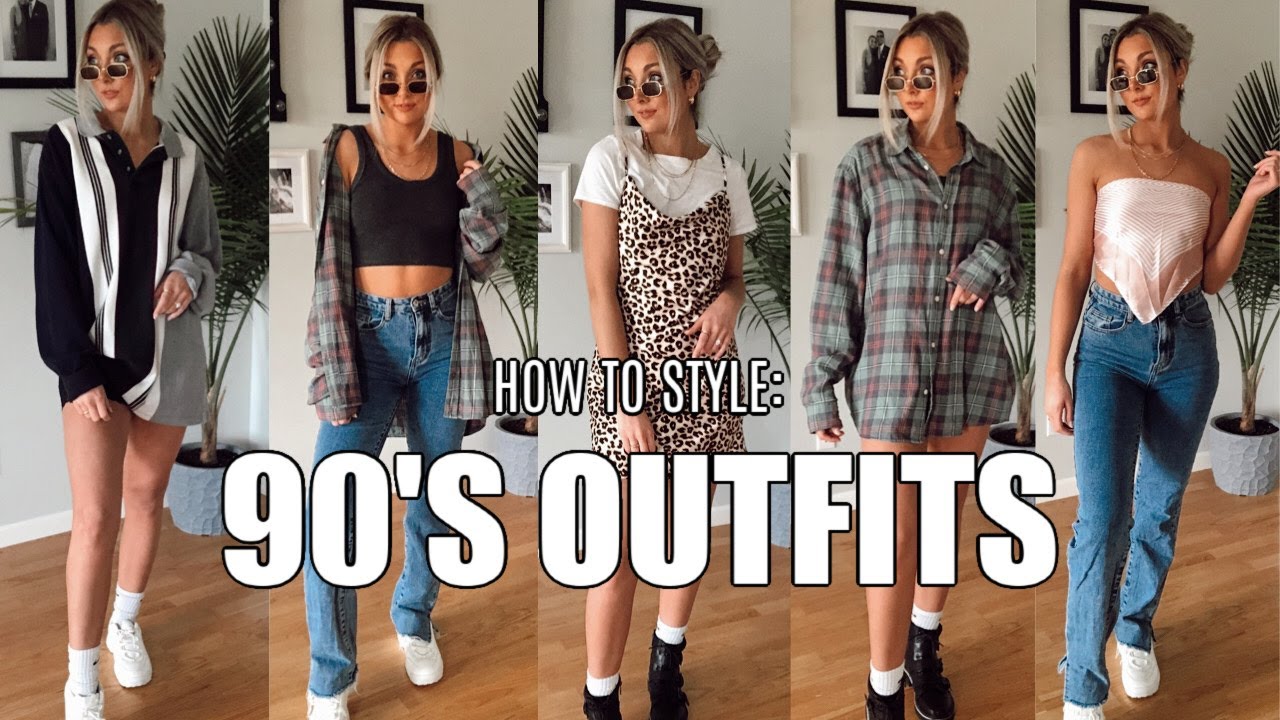
Adopting elements of 90s fashion doesn’t mean you have to completely change your wardrobe. Instead, it’s about integrating key pieces in a way that feels natural and modern.
Start by choosing one statement item, such as a pair of high-waisted jeans or a vintage-inspired jacket. Build your outfit around this piece, keeping the rest of your look simple and balanced.
Mixing old and new elements is also essential. Pairing a retro item with contemporary accessories can create a fresh and stylish appearance. This approach ensures that your outfit feels current rather than outdated.
Finally, focus on fit and proportion. While oversized clothing is a hallmark of the 90s, it’s important to maintain a sense of structure. Balancing loose and fitted pieces can help you achieve a polished look.
Quick 90s Style Essentials
Must-Have Pieces:
- High-waisted jeans
- Slip dresses
- Flannel shirts
- Chunky sneakers
- Chokers
Quick Tip:
Combine one vintage-inspired item with modern basics for an effortlessly stylish look.
Common Mistakes to Avoid
When experimenting with 90s fashion, it’s easy to go overboard. One common mistake is wearing too many retro pieces at once, which can make your outfit look like a costume.
Another issue is ignoring modern styling techniques. While it’s great to draw inspiration from the past, adding contemporary elements ensures that your look remains relevant.
Fit is also crucial. Oversized clothing should still be intentional and flattering. Paying attention to proportions can make a significant difference in how your outfit is perceived.
By avoiding these pitfalls, you can embrace 90s fashion in a way that feels authentic and stylish.
FAQs About 90s Fashion
What defines 90s fashion?
It is characterized by a mix of styles, including grunge, minimalism, and streetwear, often influenced by music and pop culture.
Why is 90s fashion popular again?
Its combination of comfort, versatility, and nostalgia makes it appealing to modern audiences.
Can I wear 90s fashion every day?
Yes, by blending vintage pieces with modern clothing, you can create practical and stylish outfits.
What are essential 90s wardrobe items?
High-waisted jeans, flannel shirts, slip dresses, and chunky sneakers are key pieces.
Is 90s fashion suitable for all ages?
Absolutely. The styles are adaptable and can be customized to suit different preferences and age groups.
Conclusion: Bringing the 90s Into Your Modern Wardrobe
The enduring appeal of 90s fashion lies in its versatility, authenticity, and cultural significance. It was a decade that celebrated individuality and broke away from rigid fashion norms, allowing people to express themselves freely.
From the rebellious edge of grunge to the elegance of minimalism, the 90s offered a wide range of styles that continue to inspire today. By understanding the key elements of this era, you can incorporate them into your wardrobe in a way that feels fresh and modern.
Actionable Steps:
- Start with one or two 90s-inspired pieces.
- Mix vintage styles with contemporary elements.
- Focus on comfort, fit, and personal expression.
By following these tips, you can effortlessly embrace the timeless charm of 90s fashion and make it your own.